
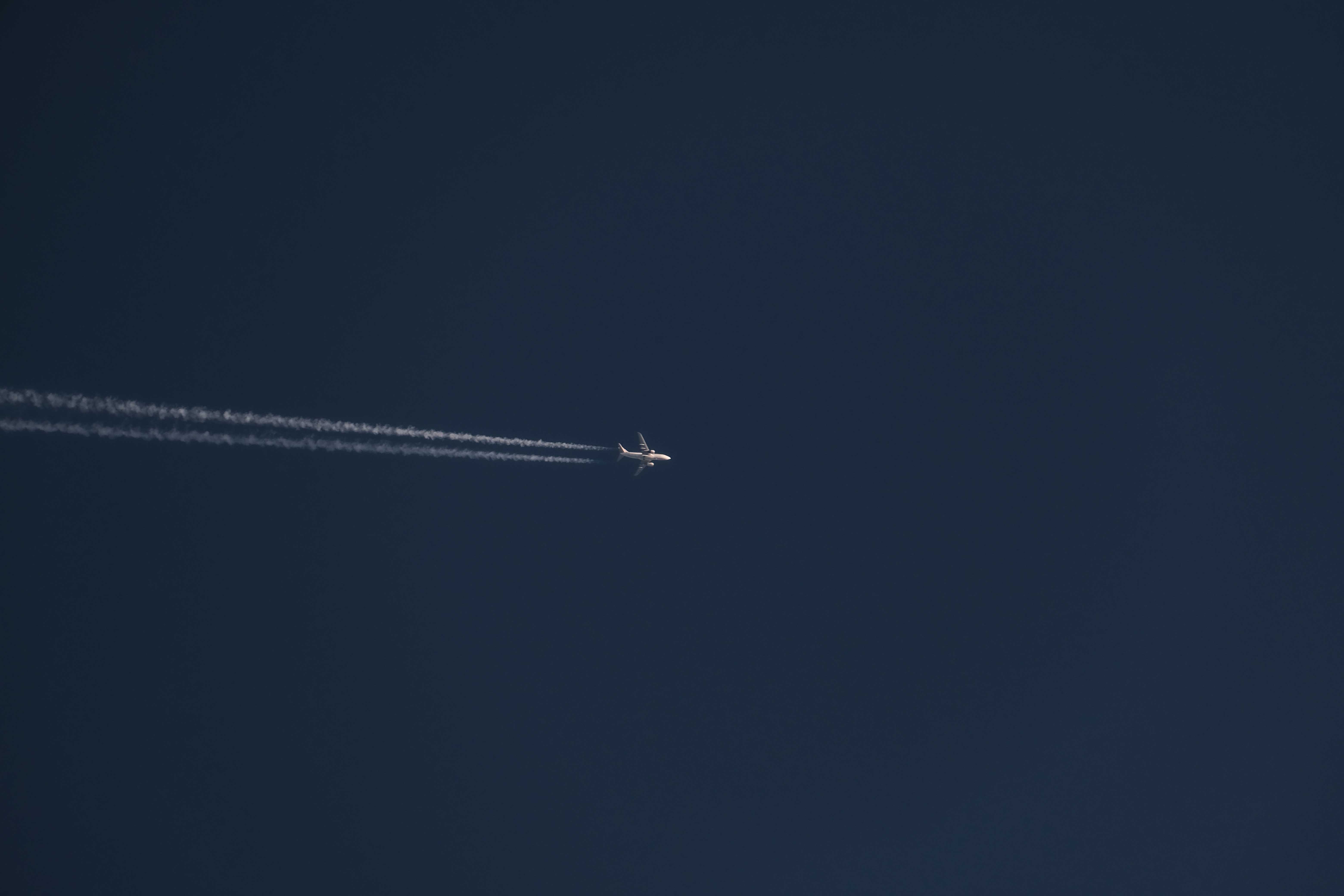
A private jet cruises at between 400 and 600 mph (640 to 965 km/h) depending on the aircraft category. Light jets cruise at 400–480 mph, midsize jets at 460–520 mph, and heavy jets at 500–600 mph. The fastest certified business jet in 2026, the Bombardier Global 8000, reaches Mach 0.94 — just under the speed of sound.
But speed in private aviation is not just about how fast the aircraft flies. It is also about what happens on the ground: private terminals, no queues, and boarding in under 15 minutes can save 2–3 hours compared to a commercial flight on the same route.
Private Jet Speed by Aircraft Category
Private jets cruise at speeds between 400 and 700 mph (644 to 1,127 km/h) on average, which means they can match — and sometimes exceed — commercial airliners in cruising velocity.
| Aircraft Category | Passengers | Cruise Speed | Top Speed | Range |
|---|---|---|---|---|
| Turboprop | 6–8 | 250–315 mph | 330 mph | 1,000–1,800 nm |
| Light jet | 4–7 | 400–480 mph | 518 mph | 1,500–2,000 nm |
| Midsize jet | 6–9 | 460–520 mph | 540 mph | 2,500–3,500 nm |
| Super-midsize jet | 8–10 | 480–540 mph | 570 mph | 3,500–4,500 nm |
| Heavy jet | 10–16 | 500–560 mph | 600 mph | 4,500–6,000 nm |
| Ultra-long-range | 10–19 | 540–600 mph | 717 mph | 6,000–8,000 nm |
Light Jets: Fast Enough for Europe
Light jets cruise at speeds of 350–450 knots (403–518 mph), making them faster than most turboprop aircraft and perfectly suited for quick journeys of 2–3 hours.
The most popular light jets for European routes in 2026:
- Embraer Phenom 300 — 453 knots (521 mph). The most chartered light jet in Europe. Spacious cabin for its class, large baggage hold. Ideal for London to Nice, Barcelona to Ibiza, Madrid to Geneva.
- Cessna Citation CJ4 — 451 knots (518 mph). Fuel-efficient, can operate from smaller airports like Cannes-Mandelieu or Sabadell. Favorite for executive day trips.
- Cessna Citation XLS — 441 knots (507 mph). The workhorse of European charter. Enclosed lavatory, reliable range, used on hundreds of routes weekly across the continent.
For context, a light jet covers London to Nice (1,005 km) in approximately 1 hour 45 minutes. A commercial flight on the same route with check-in and boarding takes 4+ hours door-to-door.
Midsize Jets: More Range, Same Speed
Midsize jets add stand-up cabin height, more luggage space, and intercontinental range without giving up speed. In the midsize category, jets tend to reach speeds around 430–490 mph, striking a good balance of speed and range for longer routes.
- Challenger 350 — 470 knots (541 mph). One of the most requested midsize jets in 2026. Full stand-up cabin, large windows, seats 8–10 passengers. Barcelona to New York is within range.
- Citation Longitude — Mach 0.84 (570 mph). One of the quietest cabins in its class. Ideal for productive long-haul flights where working onboard is a priority.
- Hawker 900XP — 448 knots (515 mph). Spacious cabin with excellent range, popular on transatlantic routes and long European sectors.
Heavy Jets: Built for Distance and Comfort
Heavy jets cruise at speeds between 500 and 600 knots (575–690 mph), making them comparable to or faster than some commercial aircraft. The trade-off is operating cost — heavy jets charter from around €22,000 per hour for European routes.
- Gulfstream G650ER — 516 knots (595 mph), range 7,500 nm. New York to Hong Kong nonstop. The benchmark in private aviation for long-haul travel.
- Bombardier Global 7500 — 516 knots (595 mph), range 7,700 nm. Four living spaces onboard including a dedicated master suite. The choice for ultra-long-haul missions with full cabin comfort.
- Challenger 650 — 470 knots (541 mph), range 4,000 nm. The most popular heavy jet for transatlantic routes from Europe to the Middle East and Americas.
The Fastest Private Jet in 2026
The fastest private jet in 2026 is the Bombardier Global 8000, with a top speed of Mach 0.94. It can fly New York to Hong Kong nonstop — a route that takes a commercial aircraft 15–16 hours.
Every jet cruises well below its top speed, typically around Mach 0.85, to conserve fuel. The Global 8000's 0.94 top speed falls to a 0.85 long-range cruise — headline Mach numbers are short-burst figures, not everyday cruise speeds.
For practical European routes, the speed difference between a light jet and a heavy jet is 15–25 minutes on a 2-hour sector. The aircraft choice for European travel is driven more by passenger count, luggage, and range requirements than by speed alone.
How Private Jets Save Time Beyond Speed
Private jet passengers often board in 10 minutes or less after arriving at the terminal. Commercial airline passengers are typically advised to arrive at least 2 hours before departure. These factors can reduce total airport time by approximately 3 hours, from check-in to luggage retrieval.
On a London to Barcelona route, the time comparison looks like this:
- Commercial business class: Arrive airport 2 hours early + 2h 10m flight + 30 minutes baggage and transfer = approximately 5 hours door-to-door.
- Private jet: Arrive FBO 15 minutes before departure + 2h 10m flight + 10 minutes to car = approximately 2 hours 35 minutes door-to-door.
Private jets also have access to over 2,000 airports in Europe that commercial airlines do not serve, which often means landing 30–60 minutes closer to the actual destination.
Which Aircraft Type Is Right for Your Route?
| Route Distance | Recommended Category | Why |
|---|---|---|
| Under 500 km (e.g. Madrid–Ibiza) | Light jet or turboprop | Cost-efficient, smaller airports |
| 500–1,500 km (e.g. London–Nice) | Light jet | Best value, sufficient speed and range |
| 1,500–3,000 km (e.g. London–Tel Aviv) | Midsize jet | Stand-up cabin, range without refueling |
| Over 3,000 km (e.g. Europe–Americas) | Heavy or ultra-long-range | Range, full cabin amenities |
A good broker matches the aircraft to the mission — not the other way around. A light jet for a Paris to Geneva day trip costs a fraction of a heavy jet and arrives at the same time.
Frequently Asked Questions
How fast does a private jet fly?
Most private jets cruise between 400 and 600 mph (640–965 km/h). Light jets cruise at 400–480 mph, midsize jets at 460–520 mph, and heavy jets at 500–600 mph. The fastest production jet in 2026, the Bombardier Global 8000, reaches Mach 0.94 (approximately 717 mph).
Is a private jet faster than a commercial flight?
In the air, private jets cruise at similar speeds to commercial aircraft. The time saving comes from the ground experience — private terminals, no check-in queues, and boarding in under 15 minutes can save 2–3 hours on a typical European route compared to commercial travel.
What is the fastest private jet available to charter?
The fastest ultra-long-range jets — including the Gulfstream G700 and Bombardier Global 8000 — reach Mach 0.90–0.94. For European routes, the Embraer Phenom 300 and Cessna Citation CJ4 are the most commonly chartered fast light jets, both cruising above 450 knots.
Does aircraft speed matter for short European routes?
For routes under 2 hours, the speed difference between a light jet and a heavy jet is less than 20 minutes. Aircraft choice on short European routes is driven more by passenger count, luggage requirements, and cabin preferences than by top speed.
How does private jet speed compare to commercial business class?
Cruise speeds are similar — both operate around 450–500 knots. The difference is total journey time. Private jets eliminate connection risks, reduce airport time by 2–3 hours, and can land at smaller airports closer to the final destination.
Looking to charter a private jet for a European route? Request an instant quote — we respond within one hour, 24/7, for any route.