
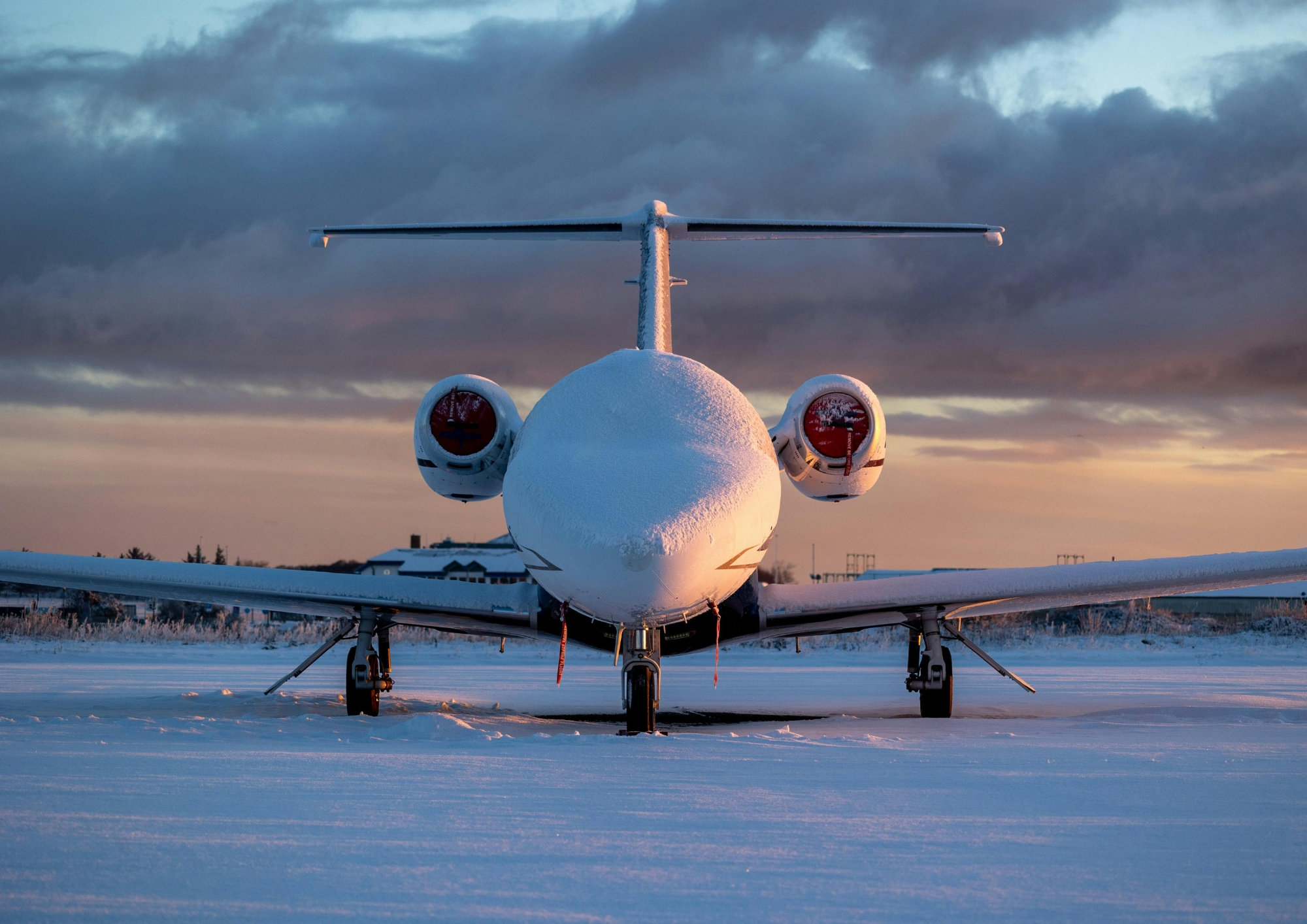
Weather affects every flight, whether it is commercial or private. What changes is how decisions are made and how much control passengers have when conditions shift.
For private flights, weather planning is not a last-minute reaction. It is an ongoing process that starts well before departure and continues until the aircraft lands.
Weather Monitoring Starts Early
Private flight planning begins with detailed weather monitoring days in advance. Flight crews and operations teams review forecasts along the entire route, not just at departure and arrival airports.
They look at wind patterns, storm systems, visibility, and temperature. This helps them understand how conditions may evolve over time, especially on long-distance flights. Early awareness allows teams to prepare options rather than react under pressure.
Adjusting Routes Instead of Cancelling Flights
When weather changes, private flights often adjust routes instead of cancelling altogether. Pilots may fly around storm systems, choose different cruising altitudes, or select alternate airways to maintain safety and comfort.
Because private aircraft are not tied to fixed airline routes, they have more flexibility to adapt. This can reduce turbulence, avoid delays, and keep the overall schedule intact.
Choosing Alternate Airports When Needed
Another important part of weather planning is selecting alternate airports. If conditions worsen at the original destination, crews may plan for a nearby airport with better weather.
This decision is made carefully. Teams consider runway length, airport services, customs availability, and how easily passengers can continue their journey from there. The goal is to keep the trip moving with minimal disruption.
How Timing Decisions Are Made
Sometimes the safest and most efficient choice is a small timing adjustment. A short delay can allow a storm system to pass or visibility to improve. Other times, departing earlier helps avoid deteriorating conditions later in the day.
These decisions are based on real-time data and pilot judgment. The focus is always on safety first, followed closely by reliability and comfort.
Communication Throughout the Process
When weather affects a private flight plan, communication is continuous. Passengers are informed about changes, options, and the reasoning behind decisions.
This transparency helps reduce uncertainty. Knowing what is happening and why makes schedule changes easier to manage, especially for time-sensitive trips.
Safety Always Comes First
No matter how flexible private aviation can be, safety is never compromised. If weather conditions make a flight unsafe, the plan will change. This may mean delaying departure or rescheduling entirely. What matters is that decisions are made with care, preparation, and clear priorities rather than rigid schedules.
When weather changes a private flight plan, the experience is usually about adjusting thoughtfully, not losing control. In the end, weather is part of aviation. What defines the experience is how well it is anticipated, communicated, and managed from start to finish.