
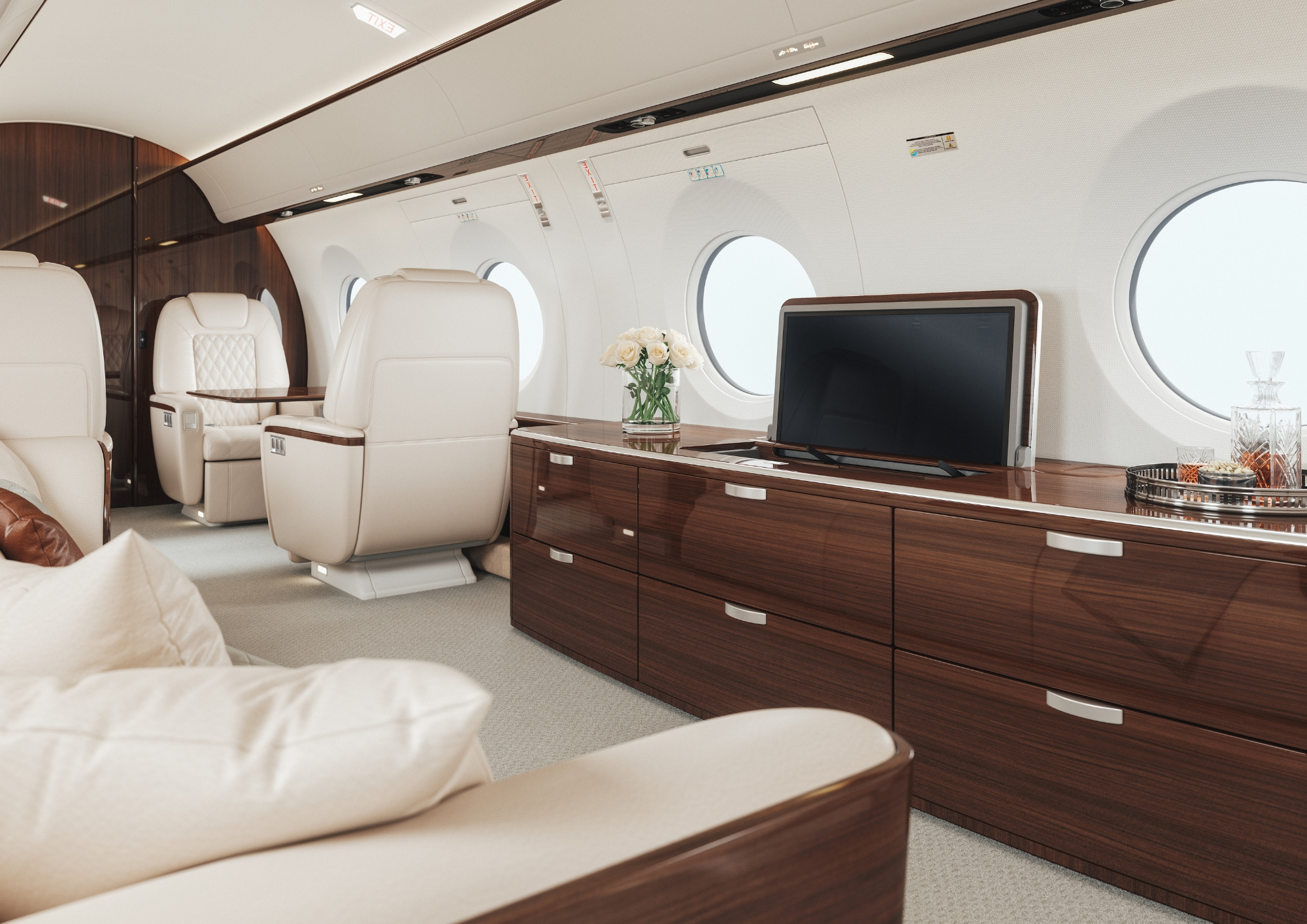
When private client advisors recommend air travel, they look far beyond the aircraft itself. Their role is to protect the client’s time, focus, and overall experience from start to finish.
The first thing they consider is the reason for the trip. A client traveling for a board meeting, a negotiation, or a series of high-level meetings will have different needs than someone traveling for personal reasons. Advisors think carefully about what the client needs to be ready for once they arrive, not just how they get there.
Reliability is a major factor. Advisors assess how predictable the journey will be and how much uncertainty is involved. Delays, long connections, and rigid schedules can introduce stress that affects performance later in the day. Even small disruptions can change how a client feels and behaves when it matters most.
Time is another critical consideration. This includes more than flight duration. Advisors look at total travel time, including early arrivals, security, waiting, transfers, and the time needed to recover after landing. They evaluate whether travel supports the client’s work rhythm or interrupts it.
Privacy and space also play an important role. Many clients need quiet time to think, review information, or have confidential conversations. Travel environments that allow focus and discretion help clients stay mentally prepared throughout the trip.
Finally, advisors think about continuity. The best travel experiences allow clients to move smoothly from one commitment to the next without feeling rushed or drained. When travel fits naturally into the schedule, clients arrive steady, clear, and ready.
In the end, recommending air travel is not about prestige or appearance. It is about choosing the option that best supports the client’s energy, attention, and ability to perform well throughout the journey.